


MARMARA ISLAND
MARMARA ISLAND
Gündoğdu(Prastoss) 5km east of Marmara Town has opened its firstpensions for visitiors 25 years ago. Once celebrated for its wine and olives, the environs of the village are stil a lush green.
The village of Topağacı on the southeast shore is inhabited today by immigrants from Bulgaria, Salonika and Albania. It is set in a large fertile plain, where everything but citrus fruit flourishes, so Topağacı supplies the rest of the island with vegetables. It is also noted for its long clean sand beaches.
Asmalı is a quiet place of dignifed houses surrounded by green trees 18km from the town. This village, too, is inhabited by immigrants from Sürmene and Bulgaria. Some of the local people let out rooms in the summer and in the one restaurant, fersh fish is to be found, along with the speciallities of island home cooking.
At Saraylar, there is a large harbour where the blocks of marble are shipped off to destinations in Turkey and are exported.
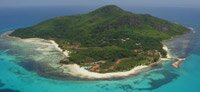
The sea which weaves through and around Istanbul is an escape route out of the city. When the noise, crowds and concrete suffocate you, all you have to do is take to the water. Marmara Island is the second largest island of Turkey. And it is thought to be named after the marble quarried there. Marmara Island’s olive groves, wineyards, Scots Pine woods and to the South maquis scrub distinguish it immediately from the other islands in the Marmara Sea which are barer. The way of life is different too. During the summer Marmara is quiet and rural. Another distinguishing feature is the rich deposits of 95% pure white marble to the North at the village of Saraylar. The preoccupation here with quarrying and the marble trade is in contrast to focus on holidaymakking on the southern coast.It is thought that marble quarrying began here in Roman times, and a collection of half finished columns, column capitals and sarcophagi are exhibited in the openair museum. The earliest settlement on the island has been traced back to the Miletians, who founded a maritime colony known as Prokonnesos. In time this city gave its name to the island. Under the Romans Christians were sent into exilehere, and under the Byzantines monasteries were founded. After being conquered by the Ottomans in the 15th century Turrks settled on the island, and for centuries Greek and Turkish communities lived peacefully side by side.
Of the villages on the island, Cinarli or Kalemis is the most popular with summer visitors. The village takes its name from the ancient plane trees on its ourskirts, some of them 800years old. In the past the village was famous for its vineyards and also trees, but these have now been swept away and the grape molasses and wine for which the island was also well-known are now unobtainable. The fishing industry on the other hand, is a new phenomenon which grew up after immigrants from the Black Sea arrived on the island.
Gündoğdu(Prastoss) 5km east of Marmara Town has opened its firstpensions for visitiors 25 years ago. Once celebrated for its wine and olives, the environs of the village are stil a lush green.
The village of Topağacı on the southeast shore is inhabited today by immigrants from Bulgaria, Salonika and Albania. It is set in a large fertile plain, where everything but citrus fruit flourishes, so Topağacı supplies the rest of the island with vegetables. It is also noted for its long clean sand beaches.
Asmalı is a quiet place of dignifed houses surrounded by green trees 18km from the town. This village, too, is inhabited by immigrants from Sürmene and Bulgaria. Some of the local people let out rooms in the summer and in the one restaurant, fersh fish is to be found, along with the speciallities of island home cooking.
At Saraylar, there is a large harbour where the blocks of marble are shipped off to destinations in Turkey and are exported.
Of the villages on the island, Cinarli or Kalemis is the most popular with summer visitors. The village takes its name from the ancient plane trees on its ourskirts, some of them 800years old. In the past the village was famous for its vineyards and also trees, but these have now been swept away and the grape molasses and wine for which the island was also well-known are now unobtainable. The fishing industry on the other hand, is a new phenomenon which grew up after immigrants from the Black Sea arrived on the island.
Gündoğdu(Prastoss) 5km east of Marmara Town has opened its firstpensions for visitiors 25 years ago. Once celebrated for its wine and olives, the environs of the village are stil a lush green.
The village of Topağacı on the southeast shore is inhabited today by immigrants from Bulgaria, Salonika and Albania. It is set in a large fertile plain, where everything but citrus fruit flourishes, so Topağacı supplies the rest of the island with vegetables. It is also noted for its long clean sand beaches.
Asmalı is a quiet place of dignifed houses surrounded by green trees 18km from the town. This village, too, is inhabited by immigrants from Sürmene and Bulgaria. Some of the local people let out rooms in the summer and in the one restaurant, fersh fish is to be found, along with the speciallities of island home cooking.
At Saraylar, there is a large harbour where the blocks of marble are shipped off to destinations in Turkey and are exported.